Discover the Rewards of Home Remodeling: A Comprehensive Guide to Enhancing Your Living Space
Home remodeling offers several benefits that extend beyond simple looks. It can greatly enhance a property's value and also increase its power performance and practicality. As homeowners look to build spaces that satisfy their developing desires, the benefits of thoughtful renovations become more and more clear. Grasping these advantages can allow homeowners to make educated choices about their living spaces, leading to significant improvements that foster comfort and self-identity. What specific benefits await those willing to initiate this journey?
Enhancing Aesthetic Appeal
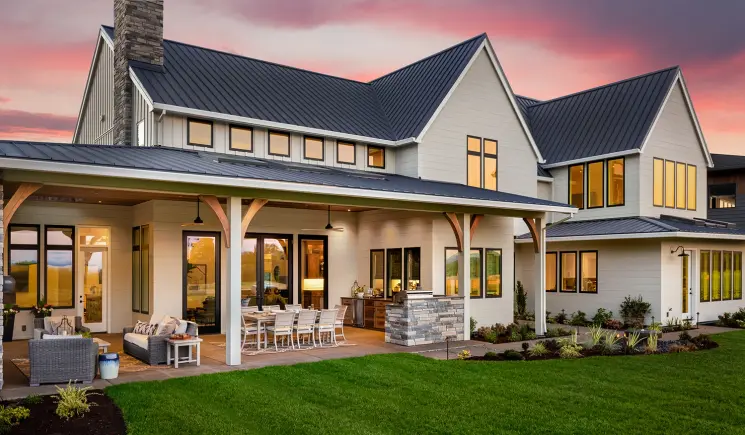
Although many homeowners are often unaware, boosting the beauty through remodeling can significantly change a living space. A properly done remodel can revitalize old-fashioned rooms, producing settings that showcase personal style and up-to-date styles. Whether it involves updating colors, textures, or layouts, these changes can considerably affect the overall atmosphere of a home.
For instance, installing contemporary lights or changing old floor coverings can create a more inviting ambiance. Open-concept layouts can enhance connectivity, making spaces feel more spacious and unified. Additionally, including things like decorative moldings, custom cabinetry, or stylish backsplashes can elevate the visual interest in key areas like kitchens and living rooms.
Ultimately, the design enhancements achieved through remodeling do more than just improve the homeowner's experience but also foster a sense of pride and comfort in their surroundings, leading toward a more enjoyable lifestyle.
Increasing Home Value
Home remodeling can greatly increase a property's value, proving it is a good use of money for homeowners. Targeted renovations, such as kitchen or bathroom renovations, frequently produce significant returns. According to real estate specialists, a renovated kitchen can recover as much as 80% of its cost upon resale. Additionally, boosting the outdoor appearance through exterior improvements can attract potential buyers, elevating overall property worth.
Eco-friendly improvements, such as replacement windows or insulation, not only reduce utility costs but also are desirable to eco-conscious buyers, as well as raising market value. Moreover, increasing usable space through an extra room or renovated lower level enhances both functionality and attractiveness, increasing its marketability in the property sector.
Finally, thoughtful remodeling choices can transform a home into a valuable investment, providing a solid financial return and giving residents an better residential environment.
Better Flow and Usability
Strategic house updates does more than boost the home's worth but also prioritizes better flow and usability in the residential area. A carefully planned renovation can transform cramped areas into more usable spaces, creating smoother transitions and accessibility. Specifically, eliminating barriers often results in open layouts that foster communication and flexibility in how rooms are utilized.
Furthermore, redesigning areas such as kitchens and bathrooms can greatly enhance their efficiency. Upgrading storage options and better utilizing surface areas creates a less cluttered setting, customized for the resident's requirements.
In addition, careful arrangement of furnishings post-construction better the spatial arrangement, making rooms feel larger and welcoming. By prioritizing functionality, homeowners can create a space that satisfies their everyday needs but also enhances their overall quality of life. Finally, a focus on design and usability results in a smoother residential life.
Improving Energy Performance
A considerable advantage of remodeling is the ability to enhance energy conservation across the property. Homeowners often take advantage of this by improving thermal barriers, installing energy-efficient windows, and updating old HVAC units. These upgrades don't just lower energy use but also decrease monthly energy costs, creating long-term savings in the long run.
Additionally, incorporating energy-efficient appliances while renovating can considerably contribute to energy savings. Items like smart temperature controls and low-energy light bulbs further enhance efficiency, helping users regulate energy usage better.
Furthermore, using eco-friendly resources and environmentally friendly practices during the remodeling process helps lessen the property's environmental impact. By opting for regenerative products and cutting down on refuse, people can develop a greener residential environment. Finally, enhancing energy savings during an update does more than help the planet but also boosts the house's market price.
Creating a Comfortable Atmosphere
Developing a welcoming environment in a home involves multiple key factors. Boosting natural light, optimizing the layout layout, and choosing comfortable materials can significantly enhance the overall atmosphere. These aspects not only boost aesthetic appeal but also add to a more pleasant and practical residential space.
Boosting Natural Light
While many occupants disregard the impact of natural light, its improvement can greatly change a living space into a more welcoming and relaxing environment. Boosting natural light not only illuminates rooms but also fosters an spacious feeling that promotes well-being. Methods such as installing bigger windows, skylights, or glass doors can significantly improve sunlight penetration. Additionally, employing light-colored paint and reflective surfaces can boost the natural light that comes into a space. Adding strategically placed mirrors can further improve brightness while giving the impression of depth. By prioritizing natural light, occupants can establish a calm and cheerful atmosphere, ultimately leading to a more enjoyable living experience. This simple yet effective improvement can genuinely boost the overall visual appeal and functionality of a home.
Improving Space Layout

When residents focus on improving space layout, they can markedly enhance the comfort and functionality of their living areas. Deliberate arrangement of furniture and fittings can foster an open, pleasant ambiance that allows for freedom of movement. By assessing the movement of every room, homeowners can spot underutilized areas and turn them into practical spaces. For example, merging a kitchen and dining area can encourage social activity while optimizing efficiency. Additionally, adding multi-functional furniture allows for versatile uses of space, meeting multiple needs without making the space too full. In conclusion, a thoughtful layout not only boosts everyday living but also increases the worth to the home, turning it a more satisfying and functional space for family and visitors alike.
Picking Suitable Materials
Picking out materials that feel good is necessary for homeowners aiming to cultivate a cozy ambiance. The selection of fabrics, finishes, and furniture plays a pivotal role in enhancing both visual appeal and comfort. Materials like soft, airy textiles such as cotton or linen for upholstery can create a calm mood, while thick carpets provide coziness for the feet. Furthermore, using elements from nature like wood or stone introduces a feeling of peace to areas. The selection of colors are also key to comfort; soft, muted tones often evoke serenity, while vibrant hues can make a room feel lively. Homeowners should consider durability alongside comfort, guaranteeing that these materials withstand everyday use. In the end, a careful choice of comfortable materials contributes greatly to an attractive and comfortable home ambiance, encouraging relaxation.
Making Your Space Personal
Personalizing a living space enables people to show off their distinctive taste through careful selections in design. By incorporating specific features and floor plans, homeowners are able to design spaces that check now mirror their individuality but also enhance functionality. This customized method guarantees that every part is useful while remaining aesthetically pleasing.
Individualized Aesthetic Decisions
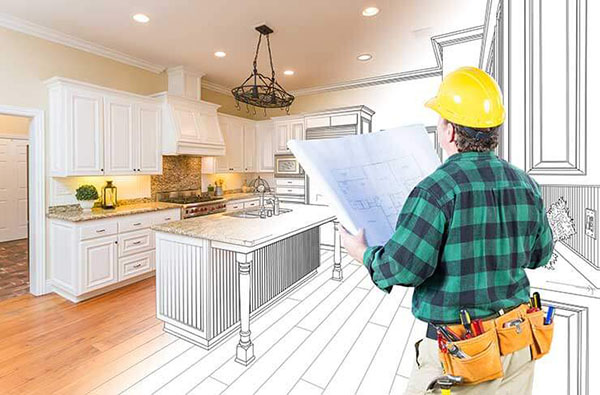
A home serves as a reflection of its owner’s personality and lifestyle, thus requiring individualized design selections for establishing a custom environment. Homeowners have the opportunity to express their personal taste through various elements like color schemes, textures, and furniture. Incorporating personal artwork, family heirlooms, or tailor-made installations further improves the distinctiveness of a home. Distinctive aesthetic decisions often blend functionality with aesthetics, fostering a cohesive feeling that resonates with the occupants. If selecting eye-catching focal points or small touches, these selections contribute to an inviting and comfortable environment. In the end, choosing personalized elements turns a standard area into a true sanctuary, cultivating identity and individuality that improves everyday life.
Optimizing Space Use
Creating a personalized space goes beyond unique design choices; it involves optimizing the functionality of all parts of the residence. Smart space management guarantees that all available space is utilized effectively, boosting both efficiency and comfort. It is helpful for homeowners to review their daily habits to identify areas needing improvement—such as developing open layouts for social gatherings or setting up specialized work areas for working from home. Using furniture that serves multiple purposes, for example, storage ottomans or tables that fold away, maximizes space while maintaining aesthetic appeal. In addition, utilizing vertical storage solutions can declutter and organize living areas. Finally, making functionality a priority not only makes a home unique and creates a more usable and comfortable setting, suited precisely to the needs of those living there.
Cultivating Bonds Among Family Members
While renovating a home usually centers on function and looks, it can also serve as a catalyst in strengthening family ties. When family members participate in the renovation project, individuals encourage collaboration and communication. Deciding on materials, colors, and the design together creates a shared sense of belonging and collective duty.
Rooms intended for social activity, for instance, open kitchens or comfortable living areas, provide spaces ideal for spending quality time. The family can meet for game nights, meals, or just to share daily life, which reinforces their bonds. Additionally, remodeling projects can become a shared adventure, complete with decision-making, planning, and the actual effort of the remodeling.
In the end, changing a home goes deeper than just physical alterations; it helps foster relationships within the family. As they create a space that reflects their collective identity, they forge lasting memories that contribute to a more harmonious living environment.
FAQs
How Do I Choose a Contractor for My Remodeling Project
In order to select a contractor for a renovation, you must compare quotes, interview candidates, review credentials, and read testimonials. Good communication skills and reliability are also vital elements in making an informed decision.
Required Permits for Home Remodeling
Generally, homeowners require electrical, building, and plumbing permits, along with potential zoning permits for remodeling projects. Given that regulations change based on locale, so contacting the relevant local agencies or a specialist can help verify that you meet standards with every required standard.
How Do I Establish a Workable Budget for My Renovation?
To set a realistic remodeling budget, one should evaluate project scope, request quotes from multiple professionals, factor in materials and labor costs, and allocate funds for contingencies, ensuring financial preparedness throughout the process.
What Kind of Duration Can I Expect for Home Remodeling?
In most cases, a remodeling job extends from a few weeks to several months. The duration is affected by elements such as the project's extent, intricacy, and the professional's capacity, so it's crucial to plan effectively for a successful outcome.
Managing Disruption During Remodeling: What Steps Should I Take?
To manage disruption during remodeling, ensure clear lines of communication with the team, create a schedule, make alternative living plans, and maintain flexibility. Advance preparation reduces anxiety and improves the entire renovation process.